How to Start the Best Kitchen Garden at Home: A Complete Beginner’s Guide
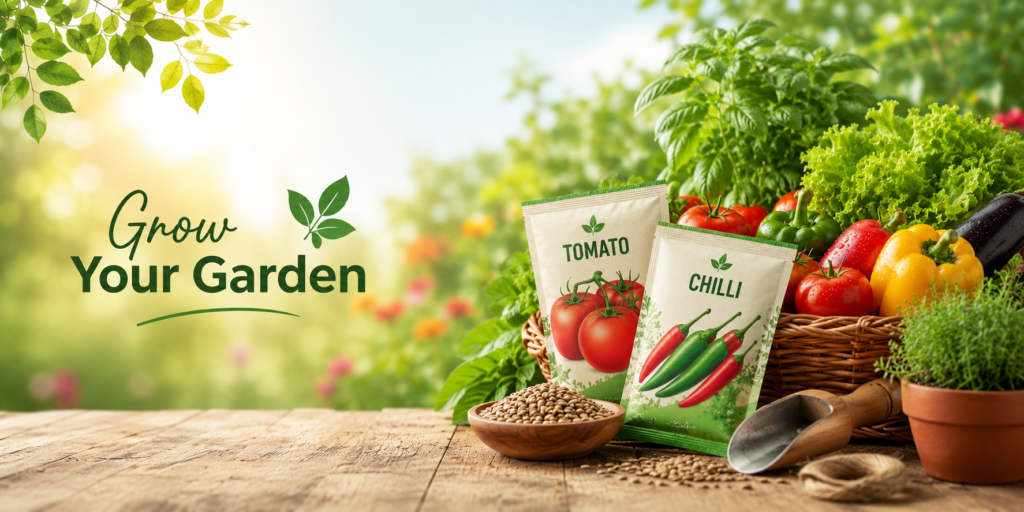
Nothing beats the joy of harvesting fresh vegetables, herbs, and leafy greens from your own home. A kitchen garden is an easy and rewarding way to grow healthy, pesticide-free produce while saving money and making the most of your available space. Whether you have a balcony, terrace, backyard, or even a sunny window, you can create a thriving kitchen garden with the right planning and care.
In this guide, you’ll learn everything you need to know to start a successful kitchen garden.
Why Start a Kitchen Garden?
Starting a kitchen garden offers many benefits:
- Fresh and chemical-free vegetables
- Lower grocery expenses
- Better nutrition
- A sustainable lifestyle
- Stress relief through gardening
- A greener home environment
Step 1: Choose the Right Location
Most vegetables require 6–8 hours of direct sunlight every day.
Ideal locations include:
- Balcony
- Terrace
- Rooftop
- Backyard
- Patio
- Sunny windows
Choose a location with good air circulation and easy access to water.
Step 2: Select Suitable Containers
You don’t need a large garden. Plants grow well in:
- Grow bags
- Plastic pots
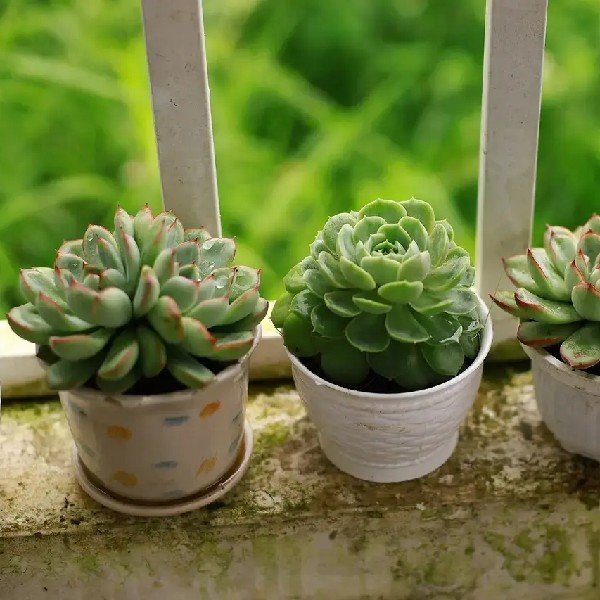
- Ceramic pots
- Cement pots
- Raised beds
- Wooden planters
Ensure every container has proper drainage holes.
Step 3: Prepare Healthy Potting Mix
Healthy soil is the foundation of a productive kitchen garden.
A good mix includes:
- 40% Garden Soil
- 30% Organic Compost
- 20% Cocopeat
- 10% Sand or Perlite
This mixture provides nutrients, retains moisture, and allows good root growth.
Step 4: Choose Easy Vegetables for Beginners
Start with vegetables that are simple to grow.
Leafy Vegetables
- Spinach
- Fenugreek
- Coriander
- Lettuce
Fruiting Vegetables
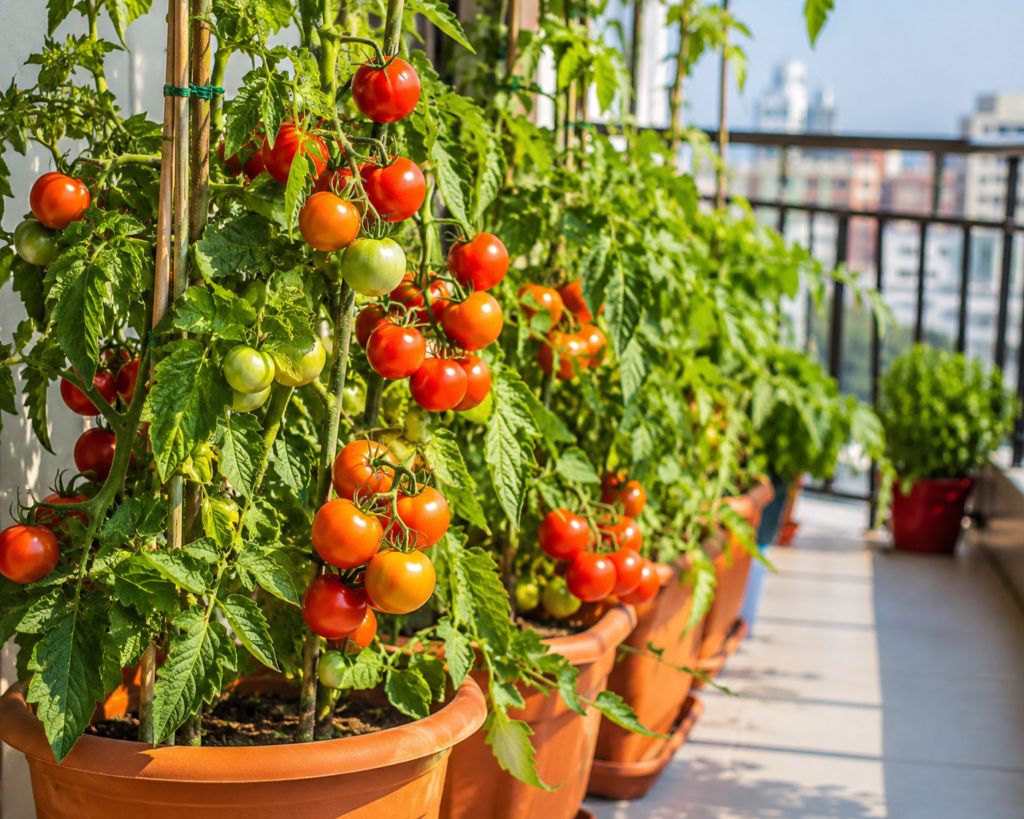
- Tomato
- Chilli
- Brinjal
- Okra
Climbers
- Bottle Gourd
- Bitter Gourd
- Cucumber
- Ridge Gourd
Root Vegetables
- Radish
- Carrot
- Beetroot
Step 5: Plant Quality Seeds or Healthy Seedlings
You can start from:
- Vegetable seeds
- Nursery seedlings
Seedlings usually produce faster results for beginners.
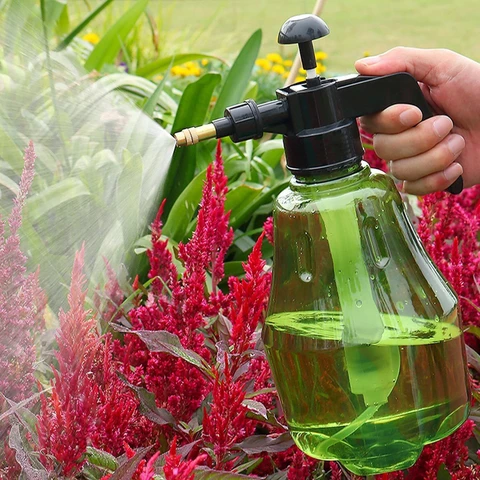
Step 6: Water Properly
Avoid overwatering.
General guidelines:
- Water early in the morning.
- Keep the soil moist but not soggy.
- Reduce watering during rainy weather.
- Water deeply rather than frequently.
Step 7: Feed Plants Regularly
Vegetables are heavy feeders.
Use organic fertilizers such as:
- Vermicompost
- Cow manure
- Neem cake
- Bone meal
- Seaweed fertilizer
Feed every 15–20 days for healthy growth.
Step 8: Protect Plants Naturally
Keep pests under control using eco-friendly methods.
Natural solutions include:
- Neem oil spray
- Garlic spray
- Soap water solution
- Sticky traps
Regular inspection helps prevent major infestations.
Essential Products for a Successful Kitchen Garden
A well-equipped kitchen garden requires:
- Vegetable seeds
- Healthy seedlings
- Grow bags
- Nursery pots
- Organic compost
- Cocopeat
- Vermicompost
- Neem cake
- Watering can
- Garden tools
- Plant labels
- Mulch
These products also create natural opportunities to link to your product pages.
Common Mistakes to Avoid
- Choosing a shady location
- Overwatering plants
- Using poor-quality soil
- Planting too many vegetables at once
- Ignoring pests
- Not fertilizing regularly
- Harvesting too late
Best Vegetables to Grow Throughout the Year
| Season | Recommended Crops |
|---|---|
| Summer | Okra, Chilli, Brinjal, Cucumber |
| Monsoon | Bottle Gourd, Ridge Gourd, Bitter Gourd |
| Winter | Tomato, Spinach, Radish, Carrot, Peas, Coriander |